
Nervous About Driving in the Highlands? Why Hiring a Chauffeur Is the Smart Move
You meet the first car on a blind bend just outside Torridon. Both of you stop. Someone has to reverse to the passing place, and for a few seconds neither of you moves. If your stomach dropped just reading that, you’re not unusual. Feeling nervous about driving in Highlands is common, and it’s rational. These roads ask for confidence most visitors haven’t built yet. In May 2025 Transport Scotland reported that crashes involving overseas drivers on the wrong side of the road had jumped 46% in a single year (reported by CNN). That’s not a scare stat. It’s a signal that unfamiliar roads plus unfamiliar driving is a genuinely hard combination. Hiring a chauffeur isn’t the indulgent option here. Quite often it’s the sensible one. Here’s the honest case for handing over the keys. Is driving in Highlands actually dangerous? Not inherently but rural roads carry more risk than urban ones. Scotland’s road-death rate per head runs about 25% higher than England and Wales, and the A9 alone has seen close to 50 deaths in the past decade. Care matters more here. Driven well, the Highlands are perfectly safe. The issue is that “well” asks more of you than a motorway does. Higher average speeds on open rural roads, narrow carriageways, no street lighting and wildlife crossings all stack the odds against a distracted or nervous driver. The numbers back it up. Scotland’s fatality rate per head sits roughly a quarter above England and Wales, largely down to its huge rural road network (car.co.uk analysis of DfT data, 2026). The A9 between Inverness and Perth has a grim reputation for a reason. A Highland hotelier was worried enough to start selling voluntary “T-plate” stickers in 2025, so other drivers know a tourist’s at the wheel. They’ve no official status in the Highway Code. But the fact they exist tells you how stressful visitors find these roads. Why do so many visitors feel nervous and is that normal? It’s completely normal. Driving on the left for the first time, on single-track roads with passing-place etiquette and mist that swallows the view, triggers real stress, even for confident drivers who handle motorways at home without a thought. Driving anxiety usually comes from a stack of small unknowns rather than one big fear. Unfamiliar rules. Reduced visibility. The worry of holding up a local who clearly knows the road. Uncertainty about where the next passing place is. Put them together on a misty climb near Glencoe, where visibility drops in minutes, and even seasoned drivers admit the Highlands demand full concentration. Which is the catch: total concentration on the road means you can’t absorb the scenery, and the scenery is why you came. What does a chauffeur actually take off your plate? Everything that makes Highland driving stressful, road positioning, passing places, fuel stops, navigation and fatigue, shifts to the driver. You’re left with the parts you came for: the view, the photos, the conversation and arriving relaxed. The swap is stark once you see it side by side. Drive yourself, and your attention goes to the mechanics. Get driven, and it goes to the experience. On the drive If you’re driving With a chauffeur Your focus Road, signs, passing places The scenery and the stories Photography Snatched between corners Any time, from a safe stop Navigation You, and a patchy signal Handled, with local knowledge Fatigue Builds over long rural stretches Not your problem Arrival Tense after a hard drive Relaxed and ready If you’re weighing it against a hire car in general, we go deeper in our guide on chauffeur versus self-driving in Scotland. What can a local driver read that a sat-nav can’t? A Highland chauffeur reads conditions, not just directions: which roads flood after heavy rain, where sheep cross, when North Coast 500 traffic peaks, and how to handle a tight passing point smoothly. Judgement built from experience, not a map. A sat-nav is confident and often wrong about the things that matter here. It doesn’t know the ford past the farm runs high after rain, or that a particular lay-by is safe while the next one isn’t. Seasons change the rules, too. The Cairngorms in winter need a completely different approach to the coastal roads near Durness in a summer gale. That kind of reading only comes from driving these routes in every condition, year after year. Does hiring a chauffeur really beat a hire car on cost? Often, once you count the extras. Rental fees, insurance excess, fuel, parking and the risk of scraping a car on a narrow road add up and for groups or multi-day trips, a chauffeur can work out better value, before you even price in peace of mind. The sticker price on a hire car looks lower until you add the rest. Insurance excess. Fuel across long distances. The very real chance of kerbing an alloy in a passing place. Split between three or four people, a chauffeur starts to look sensible rather than lavish. We break down the real figures in our guide to chauffeur service costs in Scotland, so you can compare like for like rather than guess. When is hiring a chauffeur clearly the right call? Book a chauffeur when you feel anxious about rural driving, you’re new to driving on the left, you want to focus on photography, you’re travelling with family, or you simply value comfort and local insight over doing it all yourself. The Bealach na Bà or the shores of Loch Ness aren’t meant to be endured with white knuckles. If the driving is the part you’re dreading, that feeling is worth listening to. Hand it over and enjoy the rest. Frequently asked questions Are Highland roads safe to drive? Yes, when driven with care. Rural roads statistically carry more risk than urban ones, so they reward confidence, patience and local knowledge, exactly what a chauffeur brings. Is a chauffeur better than a guided bus tour? If you value flexibility, privacy and stopping when
Autumn in Scotland: Best Fall-Foliage Drives With a Private Chauffeur

By the last week of September, the birch woods above Loch Ness start to turn, and Glen Affric goes from green to gold almost overnight. That early shift is the reason autumn foliage drives in Scotland are some of the best in Britain, the Highlands colour up before anywhere else in the UK, because birch and rowan dominate the native woods and they turn first. Around a fifth of Scotland is forested, most of it up here, so the change is hard to miss. Forestry and Land Scotland points to Glen Affric, a tangle of loch, mountain and old Caledonian pine, as one of the finest places in the country to watch it happen. Late September to early November is the window. The catch: the roads that reach this scenery are narrow, weather-prone and, after a flight, genuinely tiring to drive. This guide runs through the best autumn drives from Inverness and why handing the wheel to a private chauffeur turns a pretty drive into a proper day out. Why is autumn the best season to drive the Scottish Highlands? Autumn brings the Highlands’ richest colour, its clearest light and its quietest roads all at once. Birch and rowan turn early, days stay cool and crisp, and the summer crowds thin out, so viewpoints, single-track roads and photo stops all feel calmer. Vibrant colour you won’t see in summer Birch, rowan and aspen set the glens alight in yellow, amber and crimson, and the dark green of ancient Scots pine makes the colour look even richer. Add a snow-dusted peak in early autumn and you get the kind of scene people cross the world for. Crisp weather and low, flattering light September and October bring cool, clearer days, roughly 8–14°C and a low autumn sun that sharpens every ridge and reflection. It’s the best light of the year for photography, and the cool air keeps the whole day comfortable. Fewer crowds, quieter roads The peak-summer rush is over. That means emptier laybys, easier parking at the popular stops, and single-track roads without the convoy behind you. A calmer road is a safer one, and it’s a lot more pleasant from the back seat. Why hire a private chauffeur for autumn foliage drives? A chauffeur lets you watch the scenery instead of the road. Highland routes are narrow, winding and often single-track; a local driver handles all of that, knows the hidden viewpoints, and stops wherever the light is good, no maps, no parking stress, no missed turns. Autumn driving here has its own hazards: wet leaves, low sun in your eyes, fog that drops in minutes. A professional who drives these roads weekly reads them differently, which is the quiet argument for stress-free Highland travel over a hire car you’re not used to. Stress-free driving on single-track roads Narrow lanes, passing places and blind bends are second nature to a Highland chauffeur. You skip the white-knuckle moments and the reversing, and you actually get to look out of the window, which is the whole point of a self-drive-versus-chauffeur decision in autumn. Local knowledge that finds the best colour A good driver knows which glen has turned, which viewpoint the coaches miss, and when the light hits the loch. That’s the difference between seeing autumn and photographing it, the same edge behind our luxury Highland day trips from Inverness. Stop whenever the moment calls for it Unlike a bus, a private car bends to you. A typical autumn day makes room for: Comfort on the long stretches Highland distances run longer than the map suggests. A modern chauffeur car, heated seats, climate control, a quiet ride, makes three hours between glens feel like part of the pleasure rather than the price. What are the best autumn foliage drives in Scotland? The standout autumn routes from Inverness are Glen Affric, Loch Ness and the Great Glen, the scenic legs of the North Coast 500, Glencoe and the West Highlands, and the quieter gems close to the city, each offering a different mix of colour, water and mountain. Inverness to Glen Affric Often called Scotland’s most beautiful glen, Glen Affric is autumn distilled: golden birch lining the water, ancient Caledonian pine behind, and the odd snow-dusted peak above. Highlights along the way: The road in is narrow, so a chauffeur can pull in at the hidden spots to let you photograph the glen without hunting for parking. Loch Ness and the Great Glen No first Highland trip is complete without Loch Ness, and autumn lifts it, copper and gold woods reflected in that famously dark water. The Great Glen, a 62-mile rift valley, threads the whole scene together. Key stops: It makes an easy half-day, and it’s the natural pairing with a chauffeured Loch Ness tour. The North Coast 500 in autumn Scotland’s answer to Route 66, the 516-mile North Coast 500 loop from Inverness trades summer traffic for dramatic autumn waterfalls, colour and wildlife. You don’t have to drive the whole thing; a chauffeur can shape the best sections into a day. Look for: Glencoe and the West Highlands Few places carry Highland drama like Glencoe, steep flanks, waterfalls, brooding weather, and in autumn the bellow of red deer during the rut echoing off the hills. Scenic highlights: The parking here is tight and the pull-ins are narrow, exactly where a driver earns their keep. It’s also within reach of the Inverness-to-Skye route if you’re building a longer loop. Hidden autumn gems near Inverness Some of the best colour sits just outside the city, minus the crowds: At a glance, here’s how the routes compare: Route Time from Inverness Autumn highlight Glen Affric Half day Golden birch over Caledonian pine Loch Ness & Great Glen Half day Copper woods on dark water North Coast 500 (legs) Full day Waterfalls, colour, wildlife Glencoe & West Highlands Full day Brooding peaks, red-deer rut Hidden gems near Inverness Half day Quiet colour, no crowds When should you visit for peak autumn colour? Aim for
Why Hire a Chauffeur in the Scottish Highlands
The best stretch of the A82 comes just past Drumnadrochit, where the trees fall away and Loch Ness opens up on your left. It’s the kind of view you want to sit with. And it’s the exact moment you can’t, because you’re the one driving. That small tension, wanting to look, needing to watch the road is the honest reason to hire a chauffeur in the Scottish Highlands. This is a place that rewards attention, and its single-track roads demand every bit of yours. In 2025 the North Coast 500 alone added an estimated £98.8 million to the North Highlands economy (BiGGAR Economics), nearly all of it from people who drove 516 miles of coastline instead of watching it go by. A chauffeur quietly flips that trade. You get the view. Someone who knows the road gets the road. Here’s why that matters more here than almost anywhere else in Britain, and what it actually changes about a Highland trip. What makes the Scottish Highlands so hard to drive? The Highlands cover roughly 10,000 square miles of mountain, glen and coast laced with narrow single-track roads. Blind bends, passing places, free-roaming sheep and weather that turns in minutes make the driving far more demanding than the scenery suggests. Brochures show empty roads and soft light. The reality has more edges. Most Highland routes away from the A9 are single-track, which means one lane, two directions, and a passing place every few hundred metres that you’re expected to use with good timing and better manners. Then there’s the weather. Fog can drop over the Black Isle before breakfast. Rain sheets across Glencoe with almost no warning. Add a first-time drive on the left, and a relaxing holiday starts to feel like an exam. None of this makes the Highlands unsafe. It makes them unforgiving of distraction, which is a problem when the whole point of the trip is to be distracted by the view. Why is local driving knowledge worth paying for? A professional Highland chauffeur reads the road the way a local does: which lay-bys are safe to stop in, where water pools after rain, when the North Coast 500 traffic peaks, and how to take a passing place without a stand-off. That judgement can’t be downloaded. A sat-nav gives you a line on a map. It won’t tell you that the single-track section past Applecross backs up by eleven on a July morning, or that a particular bend hides a farm gate. A driver who runs these roads weekly knows both. There’s a safety layer too. Scotland’s road-death rate per head runs around 25% higher than in England and Wales, largely because of its vast rural road network and longer journeys (car.co.uk analysis of Department for Transport data, 2026). Experienced chauffeurs are trained to anticipate blind bends, control speed on gradients and stay calm when a caravan appears mid-corner. Winter sharpens all of it. The passes near the Cairngorms behave nothing like they do in August, and knowing the difference is the job. If you’re travelling in the cold months, our winter chauffeur tours are built around exactly that. Which hidden places can a chauffeur actually reach? Beyond the famous stops, a chauffeur can take you to quiet lochs, remote castles and viewpoints that rarely appear on tour itineraries, plus the big names like Loch Ness and the Isle of Skye, without you juggling parking or connections. The Highlands hide their best corners well. Some of the finest spots sit down unmarked turn-offs or need a short, confident drive most visitors won’t attempt. A local driver already knows them. Two runs come up again and again. The Inverness to Isle of Skye tour takes in the Old Man of Storr, the Fairy Pools and the Quiraing in a single day. And a Loch Ness tour with a chauffeur pairs Urquhart Castle with the quieter eastern shore that the coach traffic misses entirely. Good drivers also double as informal guides. You’ll hear the folklore, the history and the odd local aside that no audio guide bothers with, there’s a whole world of Scottish Highlands folklore that comes alive when someone who grew up with it is telling you. Here’s how the headline journeys stack up if you’re planning from Inverness: Journey Rough distance Time to allow Why it earns the day Loch Ness & Urquhart Castle ~30 miles Half day Castle ruins, Dores beach, quiet eastern shore Isle of Skye ~110 miles each way Full day Old Man of Storr, Fairy Pools, Quiraing, Portree North Coast 500 loop 516 miles 3–5 days Coast, empty beaches, Applecross, Bealach na Bà Glencoe & the Cairngorms ~90 miles each way Full day High passes, Glenfinnan, big-sky mountain drives Is a chauffeur better for photography and slow travel? Yes. When you’re not driving, you can stop for the light instead of the schedule, shoot from the roadside safely, and time a viewpoint for sunrise or sunset. The trip bends around the photos rather than the photos being snatched between corners. Landscape photography needs two things the Highlands make hard when you drive: the freedom to stop, and the patience to wait. Pull over on a single-track road at the wrong spot and you’re a hazard. With a chauffeur, the car finds the safe lay-by while you concentrate on the frame. It changes the whole rhythm. You linger at Eilean Donan for the reflection. You wait ten minutes for the cloud to clear the Storr. Nobody’s tapping the wheel because there’s still 40 miles to the hotel. Honestly, this is the thing repeat clients mention most, not the leather seats, but the fact that they finally looked at Scotland instead of driving through it. Can a chauffeur handle business and events too? Absolutely. The same local knowledge that smooths a scenic tour makes chauffeurs ideal for corporate travel, airport runs and Highland events, arriving on time, driving between sites efficiently, and letting you work or prepare on the move. The Highlands aren’t only holidays.
Highlands Car Rental vs Private Driver: Which Is Right for Your Trip?

The A82 south of Inverness does something to first-time visitors. One minute you’re watching Loch Ness slide past the trees, the next a delivery lorry fills your windscreen on a blind bend with nowhere obvious to pull in. That single moment is where the whole Highlands car rental vs private driver question really lives, not in a spreadsheet, but in how you want to feel behind the wheel. Or whether you want to be behind it at all. Most Highland road trips begin in Inverness, the self-styled capital of the Highlands and the launch point for the 516-mile North Coast 500. That route alone drew around 29,000 extra visitors and £9 million in additional spending in its first year, according to a Highlands and Islands Enterprise study carried out by the University of Glasgow. More cars, more camper vans, more people learning single-track etiquette in real time. So before you book anything, be honest about the kind of traveller you are. This guide weighs car hire against hiring a private driver across cost, flexibility, safety, group travel and the plain psychology of a good trip, so you pick what fits you, not what a booking site nudges you toward. Why does your transport choice matter more in the Scottish Highlands? Your transport choice shapes the whole trip because the Highlands aren’t forgiving. Roads narrow to a single lane, weather turns in minutes, fuel and phone signal thin out, and a tired driver misses the views. Get it right and the landscape does the rest. Rural Scotland doesn’t drive like a city. Distances that look short on a map take twice as long, because the road bends around every loch and climbs over every pass. A handful of things catch people out again and again: Then there’s the law. Scotland runs a stricter drink-drive limit than the rest of Britain, 0.05% blood alcohol against 0.08% in England and Wales, which matters more than people expect on a trip built around whisky distilleries. One dram at lunch is a genuine risk if you’re the one driving. Travel researchers put it simply: the more mental load a driver carries, the less they enjoy the place. When you’re not fighting the road, you notice the light on the water. That’s the quiet case for handing over the keys, and it’s why so many visitors end up weighing a chauffeur against self-driving before they commit. What do you actually get with Highlands car rental? Car rental gives you a vehicle and total independence, you set the route, the stops and the pace. It’s easy to pick up at Inverness Airport or in the city, and for confident drivers on a budget it can be the cheapest way to roam, at least on paper. Rental firms cluster around Inverness Airport and the city centre, with everything from compact hatchbacks to estates and vans depending on your group. The appeal is obvious but it’s worth separating what’s genuinely good from what only looks good on the booking page. The real advantages of renting Independence is the big one. You leave when you like, linger at the viewpoint nobody else stopped at, and rip up the plan on a whim. Nobody is waiting on you. Short trips can be genuinely cheap, too. For a solo traveller or a couple doing a day or two around Inverness, a small car’s base rate usually undercuts everything else. And if you’re an experienced rural driver, the Highlands are a joy to drive. Empty roads, huge scenery, the car answering to you. Some people book the whole trip for exactly that feeling. The hidden costs most people forget Here’s where the sticker price gets slippery. The advertised daily rate is rarely what you actually pay. Budget for: Insurance add-ons and excess waivers climb steeply in peak summer months, which is exactly when most people visit. Total it up and “cheap” starts to wobble. If you want the numbers laid side by side, our guide to what a chauffeur service costs in Scotland does the sums. What makes driving the Highlands genuinely hard? Single-track roads are the headline. Beyond Inverness, especially heading west, many scenic routes shrink to one lane with passing places, and visitors who’ve never used them find it nerve-shredding. The Bealach na Bà pass near Applecross, hairpin bends, steep gradients is either thrilling or terrifying, depending on your nerve. Weather is the wild card. Fog can swallow a glen in minutes, and the pretty coast road turns serious in a squall. And in peak season the North Coast 500 gets busy. Parking fills, convoys stack up behind slower campers, and the schedule you planned quietly falls apart. None of this makes renting wrong. It just makes it work. What does hiring a private driver actually involve? Hiring a private driver, a chauffeur, means door-to-door travel with a professional handling every mile. You sit back; they drive, plan the route and read the weather. Highland-based firms build the day around your interests and their local knowledge. A chauffeur isn’t a taxi and isn’t a tour bus. It’s a private car and a driver for as long as you need them, on a route that’s entirely yours. If you’ve ever wondered how that differs from a standard cab, we break down the chauffeur-versus-taxi distinction separately. Stress-free travel, and why it changes the day No navigating, no parking, no white-knuckle passing places. When you’re not responsible for the driving, you’re free to actually look, take the photo, spot the eagle, finish the conversation. Passengers reliably report higher relaxation than drivers on the very same route. It’s the whole point of stress-free Highland travel. Local expertise you can’t Google fast enough A good Highland chauffeur knows things a map doesn’t: the viewpoint tourists sail past, the hour to reach a landmark before the coaches, the café that’s actually worth stopping for, the route that dodges the weather rolling in off the sea. That knowledge quietly upgrades a trip from nice to memorable, whether
Wedding Chauffeur Services in the Scottish Highlands: What Couples Should Really Expect

After years of providing Wedding Chauffeur Services in the Scottish Highlands, one thing we have consistently noticed is that couples often spend months perfecting venues, florals, photography, and guest lists while neglecting how important transport is, once the wedding day actually arrives. And that is completely understandable. Most couples only plan a Highland wedding once. For us, however, these roads, venues, timings, and weather patterns are part of our everyday experience. We see the behind-the-scenes details that guests rarely notice, the early route checks before sunrise, the timing adjustments when Highland weather changes unexpectedly, the coordination between venues and photographers, and the quiet effort required to keep the entire day feeling smooth and relaxed. Over the years, we have worked with couples arriving from London, Europe, the United States, the Middle East, and beyond, and one thing becomes clear very quickly: when transport is planned properly, the entire wedding feels calmer. Let’s explore together how actually a professional Chauffeur enhances your wedding day experience, especially in the scenic view. Why Wedding Transport Matters More in the Highlands In many cities, wedding transport is relatively straightforward. Venues are close together, roads are predictable, and alternative routes are easy to find. But if the couple plans the wedding in Highlands they are completely different. Many of the weddings we handle involve: What looks like a simple 45 minute drive online can become much longer once winding roads, tourist traffic, weather conditions, and photography stops are added into the schedule. One of the most common patterns we see is couples assuming Highland journeys will move at the same pace as motorway travel elsewhere in the UK. In reality, Highland driving requires far more careful timing and local familiarity. That is why experienced chauffeurs do far more than simply drive from one venue to another. What Experienced Wedding Chauffeurs Quietly Handle Behind the Scenes Most guests only see the polished final experience: But behind every seamless wedding journey is careful preparation. Before many Highland weddings, we are already checking: One thing many destination couples do not initially realise is how quickly conditions can change in the Highlands. We have seen clear skies near Inverness turn into heavy mist closer to Glencoe within the same journey. That unpredictability is exactly why local experience matters.As chauffeurs, our role often includes: The goal is not simply transportation. The goal is protecting the flow of the wedding day itself. What Couples Usually Underestimate About Highland Weddings Travel Time Feels Different Here One thing we regularly explain to couples is that Highland distances are deceptive. Couples only think that the journey is the same as the other destination weddings but the unpredictability of the weather adds more distance from the normal. A venue may seem nearby on a map, but the reality can include: And one thing we often advise couples to allow significantly more time than navigation apps suggest, particularly during: What makes the biggest difference is having transport schedules built around real local conditions rather than ideal travel estimates. Weather Changes Quickly The Highlands are beautiful partly because the landscape remains wild and dramatic. But that also means weather conditions can shift extremely fast.From experience, couples visiting Scotland for the first time are often surprised by: This becomes especially important for: An experienced chauffeur team plans for flexibility from the beginning rather than reacting to problems once they happen. Choosing the Right Wedding Chauffeur Vehicle One of the most common mistakes we see is couples choosing vehicles based entirely on photographs rather than practicality. The Highlands require balancing elegance with comfort and terrain suitability. Luxury Sedans Vehicles like: remain extremely feasible and popular for: These vehicles create a timeless, elegant atmosphere. Luxury SUVs For remote Highland venues, luxury SUVs often become the most practical choice.Vehicles such as: Ultimately offers: Many couples initially request traditional saloons but later switch to SUVs once they understand the realities of Highland terrain and weather. Executive Vans & Guest Transport Vehicles Guest coordination becomes a much bigger logistical factor in the Highlands compared to urban weddings.Guests are frequently spread across: Executive vehicles like the Mercedes V-Class are extremely useful for: After years of handling Highland weddings, one thing becomes obvious very quickly: organised guest transport significantly reduces stress for everyone involved. The Wedding Morning: What We Often See Wedding mornings are usually calmer when transport has been properly planned in advance. Without proper coordination, however, small delays can quickly affect the entire schedule. We have seen situations where: This is where professional chauffeurs quietly absorb pressure behind the scenes. In many cases, we are already adjusting routes or timing buffers long before couples realise anything has changed. One thing we have learned over the years is that couples remember how they felt during the wedding day far more than small decorative details. Feeling rushed or stressed during travel affects the atmosphere of the entire experience. A calm, organised transport schedule changes that feeling completely. Seasonal Realities Couples Should Know Spring Weddings Spring weddings in the Highlands often feel peaceful and quieter compared to summer. Roads are generally less crowded, and the landscapes begin turning vibrant again after winter. However, temperatures can still feel colder than many international visitors expect. Summer Weddings Summer remains the busiest wedding season in the Highlands. The long daylight hours create incredible opportunities for: But summer also brings: One thing we always explain to destination couples is that Highland tourism traffic during summer can affect schedules more than expected. Autumn Weddings Autumn is arguably one of the most visually dramatic times for Highland weddings.The colours around forests, estates, and lochs create exceptional wedding photography conditions. However, daylight begins shortening much earlier, which impacts: Winter Weddings Winter weddings in the Highlands can feel incredibly atmospheric, especially in castles and remote estates.But winter planning requires experience. Road conditions, early darkness, and weather unpredictability all affect travel timing. During winter weddings, professional route planning becomes especially important. Common Wedding Transport Mistakes We Regularly See Underestimating Guest Logistics One of the
Chauffeur Vs Self Drive: When to Drive Yourself and When to Hire a Professional Chauffeur

I have spent almost fifteen years on a front seat, often watching the back of the client’s head in the rearview mirror. But through all my experience the sudden shift I have noticed, that people just do not want to be driven, they are in need of the option to drive. They actually want the power of the Range Rover in the winding roads of the Scottish Highlands but they do not want the headache of navigating through Glasgow’s city centre or finding parking in a crowded glen. The question I get the most during the initial consultations is not something. How much do you cost? But instead the Clients usually utter Chauffeur Vs Self drive, which will make my holiday better? And to be very honest I get silenced for a few seconds. At first glance, it seems like a simple choice. Freedom versus convenience. Cost versus comfort.But the truth is, once you’ve actually been on the road, especially on long routes, unfamiliar terrain, or demanding travel schedules, this decision becomes far more nuanced. And here’s something most guides won’t tell you: You don’t always have to choose one.From experience, some of the most efficient and enjoyable journeys I’ve seen (and been part of) are the ones where people combine both self driving and chauffeur services strategically. This guide is not just a comparison. It’s a real-world breakdown, what actually works on the road, what doesn’t, and how to make the smartest choice depending on your journey. What “Chauffeur Service” and “Self Drive” Really Mean on the Road Chauffeur Service Most people assume a chauffeur is simply someone who drives the car.When you look at the difference you are really thinking about the transportation and the hospitality. A driver gets you from the destination A to the B, but the Chauffeur manages your entire mobile environment. A professional chauffeur is responsible for: I still remember a long-distance trip where weather conditions shifted unexpectedly. The client had initially planned to drive part of it themselves, but once visibility dropped, they handed it over. That decision alone Self Drive (The Reality Behind the Freedom) Yes, Undoubtedly self driving offers: But one thing that becomes clear quite quickly is: Driving in your own city is very different from driving in unfamiliar regions. Especially in places like the Scottish Highlands, where: Many travelers underestimate this, and this is the reason most people do not explore the Highlands, the way they deserve to be explored. Chauffeur vs Self Drive: The Real Differences That Matter Control vs Cognitive Load Self driving gives control, freedom but it also demands constant attention. From my experience: With a chauffeur: Safety in Unpredictable Conditions This is where the difference becomes very real.I’ve seen situations where: A trained chauffeur is used to these shifts. Safety is not just about driving skill, it’s about experience under pressure. Time Efficiency Many people think driving themselves saves time. But actually reality speaks differently. In reality people often encounter What made the biggest difference for many clients I’ve worked with was simply this: They arrived on time, without exhaustion. One thing I did not expect when I started in this industry was how much “marriage counseling” I would indirectly provide. I’ve seen countless couples start a day arguing over a map and end it laughing because they finally let me take the wheel, allowing them to actually talk to each other. Cost, The Misunderstood Factor At first glance: But that’s only surface-level thinking. Self driving includes: Whereas chauffeur services often bundle multiple elements.From what I’ve seen, for short trips, self drive may win. For long-distance or complex journeys, the cost difference narrows, sometimes Can You Combine Chauffeur Service with Self Drive? When people often asked me about the Chauffeur vs the self drive instead of asking about the payment tails my sudden answer was ” Why to choose only one. It is actually possible to combine both services and it often works better.You don’t need to lock yourself into one option. A Smarter Travel Approach: Use self drive when: Switch to a chauffeur when: Self Driving in the Scottish Highlands: What Most People Underestimate If there is one place where this decision truly matters, it’s here. The Terrain Reality Weather Conditions I still remember a route where conditions changed within minutes. A confident driver at the start became hesitant halfway through, and if the one encountering the bumpy roads for the first time it is even more difficult and exhausting. When You Should Definitely Choose a Chauffeur There are situations where the choice becomes obvious. 1. Long-Distance Travel Fatigue becomes a real factor after a few hours. 2. Business or Formal Trips You need focus, not distraction. 3. Unfamiliar Regions Especially rural or mountainous areas. 4. Night Driving Visibility + unfamiliar roads = higher risk. 5. Group Travel Managing passengers + driving is not easy. When Self Drive Makes More Sense Let’s be fair, self driving is not wrong. It’s ideal when: Common Mistakes to Avoid FAQS What are three skills one must possess as a chauffeur? A professional chauffeur must have: These skills go beyond basic driving, they ensure safety, comfort, and reliability. Can self-driving cars ever be 100% safe? No system can be 100% safe. Even advanced self-driving technology depends on: Human judgment still plays a critical role in safety. What is the difference between a driver and a chauffeur? A driver focuses on operating the vehicle. A chauffeur provides a complete service experience, including: Final Thoughts: If there’s one thing I’ve learned from years on the road, it’s this: The smartest travelers don’t choose between chauffeur vs self drive, they know when to use each. The journey becomes smoother, safer, and far more enjoyable when you stop thinking in extremes. If you love the feel of the wheel, don’t give it up. But don’t let the “task” of driving steal the “joy” of the journey. I would genuinely recommend booking a professional chauffeur service in inverness for your arrival and your
Why Chauffeur Dress Code and Etiquettes Matters the Most In Luxury Chauffeur Service.

There is a quiet moment that says out everything so loud, the thing that matters the most and even noticed by everyone out there, using the Chauffeur service. Luxury Chauffeur service in Inverness and Scottish Highlands are not just about stress free rides, but professionalism matters more than ever. Being a well trained driver, the Chauffeur is not just about driving but it is wholeheartedly about the valuable presence. It is all about how you step out of the car before even the clients notices. The luxury Chauffeur service is all about how to open the door, how you pause before speaking, how you even read the situation before being told. I still remember my very first job in the Scottish Highlands, Th clients did not utter a single word during the whole journey, after we reached Inverness, he simply said; What Chauffeur Etiquette Really Means It is truly natural that obviously most guides will tell you that Etiquette truly means politeness, punctuality and professionalism, but this is not the genuine case.. Even though these elements matter the most, they are incomplete. From my experience Chauffeur etiquettes are all about controlled awareness. It truly means; One thing that becomes clear quite quickly is this: Clients rarely explain what they expect. They assume you already know. And that is where true professionalism begins. Why chauffeur Étiquettes Matters Luxury transport has all in all evolved. Today Clients are much more inclined towards; And especially in places like Inverness and the Highlands, where journeys are longer and more scenic, the chauffeur becomes part of the entire experience. I have noticed that even tourists who initially treat the ride as “just transport” begin to relax into it. By the time you are driving through winding Highland roads, the service becomes something else entirely. It becomes personal. And that is where etiquette makes the difference between: The Unspoken Rules Of Professional Chauffeur Etiquettes The following are the rules that are totally referred to as the unspoken ones but must be adhered to in order to maintain the soft side of Chauffeur service. Presence Without Intrusion Chauffeurs are always aware but never truly imposing. There was a time a couple was having a quiet disagreement in the back seat. What made the biggest difference for me was simple: I turned slightly toward the road, reduced mirror eye contact, and created distance without making it obvious. That’s etiquette. And this is what truly matters. Controlled Communication Chauffeurs are not the ones having conversations with the clients, instead clients often book the Chauffeurs, as they are known for maintaining the balance. Not every client wants conversation. A simple line I have used many times: Please let me know if you would prefer a quiet journey or any adjustments. It gives control to the client, without pressure. Precised Timing Timing matters the most in the luxury Chauffeur service. And one thing that became quite clear from my experience that Punctuality is not always just arriving on time. It is all about More importantly in the areas such as Scottish Highlands, where weather and roads can shift instantly Chauffeur Dress Code: More Than Just Appearance This is where many underestimate the role. A chauffeur dress code is not about looking formal, it is about instantly signaling trust. What Proffessional Chauffeurs Should war But here is what I did not expect early on: Clients do not consciously analyze your outfit. They feel it. I once had a client say: You looked exactly how I expected this service to feel. That’s the whole point. Why Dress Code Directly Impacts Client Experience In luxury chauffeur services, especially around Inverness, first impressions happen in seconds.Before: There is true appearance. And appearance communicates: Common Mistakes Chauffeurs Make (That Clients Notice Instantly) From experience, these stand out: One of the most common patterns I have seen is chauffeurs trying too hard to impress.Ironically, true professionalism feels effortless, not performative. The Reality of Chauffeur Work in the Scottish Highlands Driving in the Highlands is different. And this affects etiquette more than people realize.You learn to: I still remember a client quietly watching the scenery for nearly two hours.No music. No conversation.Just the road and the Highlands. Moments like that remind you, sometimes the best service is invisible. Pro Tips That Only Come With Experience FAQs Final Thoughts If there is one thing I have learned, it is this:Clients may forget the route.They may forget the car.But they never forget how the service felt.And most of that feeling comes down to two things: Chauffeur etiquette and dress code. Sarah SmithAn experienced chauffeur who enjoys exploring the beautiful landscapes of Inverness and writing about her experiences. Passion for driving and storytelling, desire to excel in her career and personal interests.
What to Provide for a Chauffeur Airport Transfer
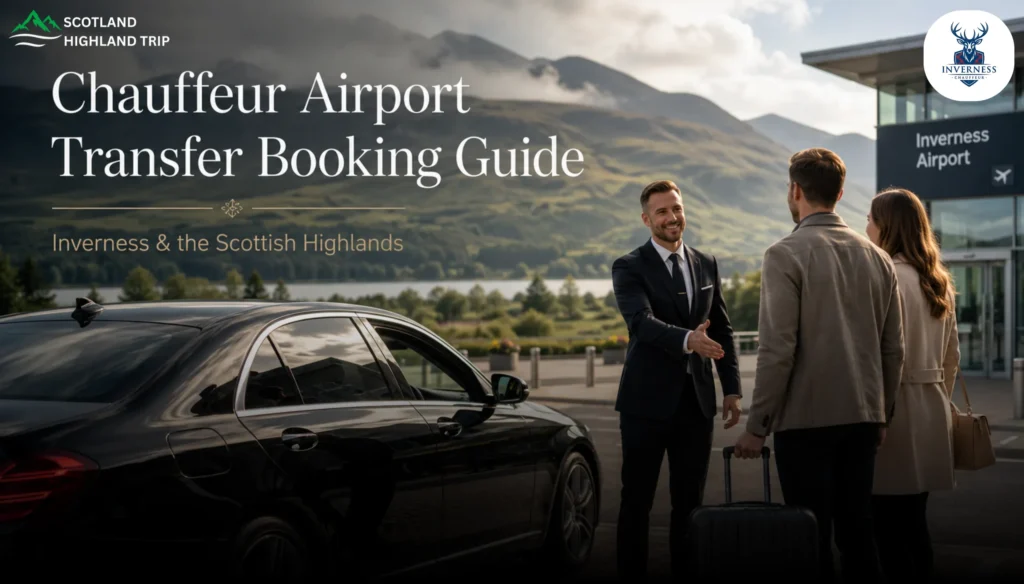
There is the quiet moment, a sudden pause when one really thinks about how he/she will manage the transfer when landing in the totally new land. It is almost a different experience for each and everyone,for working with almost many of these clients in Inverness city and the Scottish Highlands, I just simply recognised one thing. It happens when the door slides just open, individuals scan the crowd and thor eyes are just speaking out on things. Will the experience go smoothly? Especially the one who is landing for the very first time in the land of beauty, they are much more furious and curious how the ride will take up to? But the hidden truth is that, whether it does or not often steadily comes down to surprisingly simple; What was provided at the time of booking? A well prepared Chauffeur airport transfer feels effortless when booked rightly, with the right information provided. A poorly planned one often feels stressful even before the journey actually starts. Let me walk you through exactly what matters, not just from a checklist perspective, but from real experience on the ground. Why Details Matter more in Scottish Highlands Before diving into exactly what should be provided for the smooth airport transfer with a Chauffeur in Inverness and the Scottish Highlands, it is necessary to understand why the nitty gritty details matter more in the Scottish city. Driving through the Scottish Highlands isn’t like navigating a city grid. Distances are deceptive. The weather shifts quickly. Mobile signals drop in unexpected places.I remember one winter evening near Inverness when a flight was delayed by nearly two hours. The client hadn’t shared updated details, and by the time we connected, visibility had dropped, roads were icing, and what should have been a smooth transfer turned unnecessarily complicated. In the Highlands, precision is not optional, it is essential. Essential Information For the Smooth Chauffeur Airport Transfer The following should be kept in mind when booking the Chauffeur service because every detail matters and is essential for enjoying the right experience. Flight Details: One of the most important element than you actually think These details often encapsulates; Flight number matters more than ever, from my experience it is essential because we track because we track it. If your flight into Inverness changes, we adjust. If you only provide a time, we are guessing, and that is where things can go wrong. Exact Pickup Instructions Airports can be confusing, especially after a long journey.You should specify: In Inverness Airport, things are simpler than major hubs, but even then, clarity helps. I have noticed travellers who clearly meet me inside arrivals with a name board feel instantly more at ease. Passenger Details Not just the number of people, but who they are. It totally matters because; I still remember a family arriving with two small children after a long haul flight. Because they mentioned it in advance, we had child seats ready and adjusted the pace of the journey. That small detail changed the entire experience for them. Luggage Information (Often Underestimated) This is one of the most common mistakes. Even though I personally experience this obstacle. People often utter just 3 bags.But what kind? They fails to mention; Specifying the luggage either they are; In the Scottish Highlands, luggage often reflects the journey, outdoor trips, extended stays, photography gear, everything. From my experience: Underestimating luggage is one of the fastest ways to create discomfort. The Details That Make a Journey Your Entire Journey More luxurious Destination Clarity (Especially in Remote Areas) In Inverness and the Scottish Highlands, an address is not always enough.You should further specify; Some locations do not appear correctly on GPS. I have driven to remote lodges where the final 10 minutes required local knowledge rather than navigation systems. Contact Information That Actually Works This sounds obvious, but it is often overlooked. Your are planning your smooth journey with the professional Chauffeur, it is obligatory for you to provide; The reason being, because timing matters alot. Flights change. Roads close. Weather shifts. A quick message can prevent a major delay. Timing Expectations Especially for departures, timing should be clearly stated to the Chauffeur for well-managed arrival at the airport, feasibly before the flight’s timings. Exactly utter; From experience, travellers often underestimate travel time in the Highlands. What looks like a 90-minute drive can stretch depending on: Common Mistakes that Should be Avoided The common mistakes that most people commit, actually I see and are stated from my experience. Usually people undergo: One thing that becomes clear quite quickly is this: Most issues are not caused by the journey, they are caused before it even begins. What Makes a Chauffeur Experience Different in Inverness When you book a Chauffeur in Inverness and the Scottish Highlands, you are not just booking a ride.You are actually booking: I have had clients tell me the journey itself became part of their trip, the landscapes, the quiet roads, the unexpected views. What made the biggest difference for them was not luxury alone. It was preparation. Practical Tips Before You Confirm Your Booking If you are planning a journey through Inverness or deeper into the Highlands, take a moment before booking. A well-prepared chauffeur airport transfer does not just save time, it shapes your entire first impression of Scotland. FAQs Final Thoughts After years of working as a chauffeur in Inverness and the Scottish Highlands, one thing stands out above everything else:The best journeys always begin before the car even arrives. And when that happens, everything else flows exactly as it should. Sarah SmithAn experienced chauffeur who enjoys exploring the beautiful landscapes of Inverness and writing about her experiences. Passion for driving and storytelling, desire to excel in her career and personal interests.
Questions To Ask Before Booking a Chauffeur Service In Inverness and Scottish Highlands
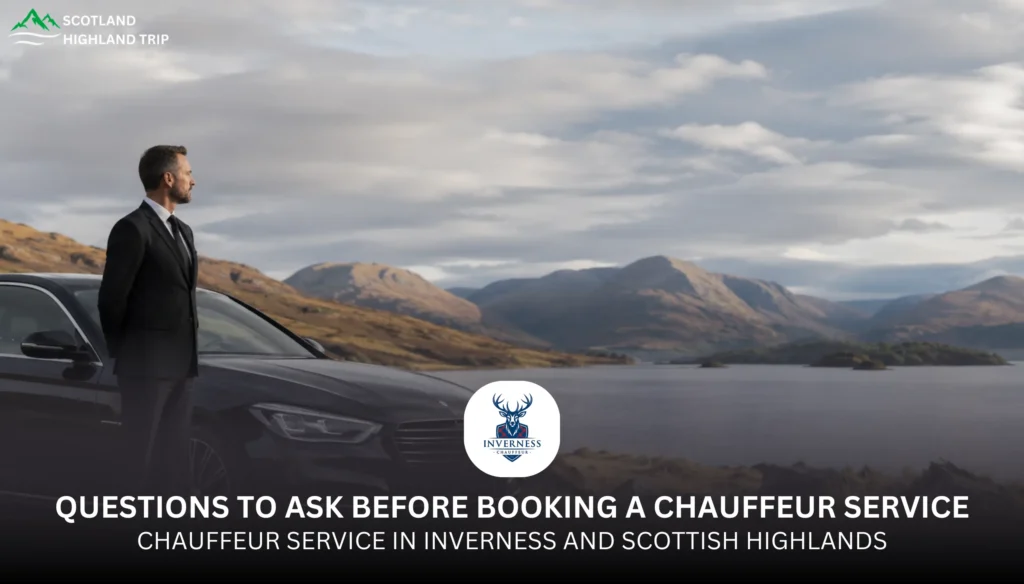
Inverness and the Scottish Highlands are the most adventurous places when seeking to uncover and explore. Most people are of the view that just a Chauffur service is the same as booking a driver and enjoying the ride but all in all in reality it is a totally different experience. I still remember a client in Inverness who booked a full-day Highland tour. Everything looked fine on paper. But within the first hour, it became clear they hadn’t asked the right questions. By the end of the trip, they said something that stuck with me: We wish we had known what to ask before booking. That is exactly what this guide revolves around. Why Asking the Right Questions Matters more than Any of the Clients think Most people are of the view that it is simply like picking a car. Confirm the time and show up. But behind the wheel it is rarely that straightforward. This is the reason why asking the right questions matters the most. It is important to understand that the quality of your questions often shapes the quality of your entire experience.From my experience, the best journeys I have been part of started before the car even moved, during the booking conversation. The Real Questions to Ask Before Booking a Chauffeur Service Let us move beyond the obvious ones. Following are the questions to ask before booking a chauffeur service that actually make a difference, especially in places like Inverness and the Scottish Highlands. What Kind of Journey Are We Actually Planning? This is the question almost no one asks directly.Instead, clients jump to: But I have learned that this one question changes everything. Because in the Highlands, a 3 hour trip could mean: I remember a couple who said: We just want to see a bit of the Highlands. We quickly realised “a bit” meant very different things to them. It is important to use this pro tip, making your adventurous journey even more nostalgic and memorable. Always clarify: Who Will Be Driving Us? This question matters more than people expect.Luxury chauffeur services are not just about the car, they are about the person behind the wheel. Many clients assume: All chauffeurs are the same. They are not. From experience: One client once told me:We did not realise how much the driver was in shape the whole day. Another crucial things to ask about; How Do You Handle Highland Conditions? This is where Geography really matters.Driving in Inverness is not the same as driving in a city.You are dealing with: One thing I did not expect early in my career was how quickly conditions can shift. Clear skies can turn into fog within minutes. Ask: What is Included vs What’s Assumed? This is one of the biggest misunderstandings.Clients often assume: Sometimes they are. Sometimes they are not.From experience, this is where tension can build, quietly.Always Clarify: What Type of Vehicle Actually Fits This Journey? Not every luxury car suits every route.For example: One of the most common patterns I have seen is clients choosing a car based on appearance rather than practicality. Ask: What Level of Interaction Should We Expect? This is rarely discussed, but always felt. Some clients want: While Others prefer: I usually say: I will follow your lead, but I am here if you need anything. It further helps to clarify expectations early. How Do You Prepare Before the Journey? This question tells you everything about professionalism. From my side, preparation includes: Clients who ask this often get the most seamless experience. If you’re booking a chauffeur service in Inverness or the Scottish Highlands, take a moment to ask these questions. It doesn’t complicate things, it protects your experience. What Clients Often Don’t Realise (But Should) Let me be honest about something: The best journeys I have been part of were not the most expensive ones. They were the ones where: Many clients I have spoken to later said: We did not know how much difference these details would make. Common Booking Mistakes That Clients Usually Commit From experience, these mistakes do not ruin the trip, but they limit it. Inverness & Scottish Highlands: What Makes Booking Different These regions changes everything.You are not just booking transport, you are booking: Daylight varies heavily by season. The weather shifts fast. Distances feel longer than expected. One thing that becomes clear quite quickly is this: Planning matters more here than almost anywhere else. FAQs Final Thoughts From behind the wheel, I can tell you this: We notice the difference immediately. Between: And most of that difference comes down to one thing: The questions asked before the journey even begins. Sarah SmithAn experienced chauffeur who enjoys exploring the beautiful landscapes of Inverness and writing about her experiences. Passion for driving and storytelling, desire to excel in her career and personal interests.
What are You Paying for a Chauffeur Service in Scottish Highlands: Uncovering the Cost Factors
The quiet moment that is still fresh in my mind, is that when we were moving through the misty roads of the Inverness city encountering with the beautiful landscape, the memory that is still fresh in my mind is that driver slowed down just for a moment and we all somewhat paused, watching the view outside the window, the rain was tremendously adding another layer of beauty and the driver knew to stop because we all actually wanted to dive in the moment. That is when it wholly clicked. When people mostly ask me about the Chauffur recommendation , We wholly recommend it because of our clients luxury experience in Inverness city and the Scottish Highlands. When people mostly ask about the Chauffeur cost services they are mostly thinking in numbers, the hourly rate, daily charges, vehicle type. But the actual pay goes far beyond that because the experience is non-negotiable. Let us break it down properly, what you are actually paying for, what influences the cost, and whether it is worth it or not. What Does Chauffeur Service Cost Actually Include? Obviously at first glance, it might feel like you are already just hiring a professional driver for your adventures or the official visit to the Scottish city. But from my experience, one thing that becomes quite clear is that professional Chauffeur service is a layered experience. You are paying for; And in regions like Inverness and the Scottish Highlands, these elements matter more than you might expect. The Real Value Behind Chauffeur Services in Inverness Highlands It is Not Just Driving, It is a Local Expertise One thing I did not expect was how much local knowledge shapes the entire journey. A good chauffeur in the Highlands is not just following GPS. They know: We quickly realised that this alone changed our entire trip. The advice I usually give to my fellows is that If you are booking chauffeur services in Inverness, ask about their local route experience, not just availability. Time Efficiency You Can’t Replicate Driving yourself in the Highlands sounds romantic, until you are navigating narrow, unfamiliar roads. With a chauffeur: “I truly remember, what made the biggest difference for us was being able to just sit back and actually enjoy the journey. “one of our clients. Vehicle Quality and Comfort A large part of the chauffeur service cost comes from the vehicle itself. Expect: Many people underestimate how exhausting long drives can be in standard rental cars. Professional Training and Service Standards Not all drivers are chauffeurs. A professional chauffeur service includes: Our clients describe how seamlessly their driver handled sudden weather changes, it felt completely effortless What Affects Chauffeur Service Cost? Let us now break down numbers, but with context. Key Cost Factors Seasonal Reality in the Scottish Highlands This is something many people overlook. From experience, shoulder seasons (April–May, September) offer the best balance. Chauffeur Services vs Self-Driving: What You are Really Choosing This is not just about cost, it is about wholesome experience. Self-Drive Chauffeur Service What stayed with me most was how much more we noticed when we weren’t focused on driving. Common Mistakes People Make 1. Choosing Based on Price Alone Cheapest options often lack experience or quality. 2. Ignoring Local Knowledge Especially critical in the Highlands. 3. Underestimating Travel Time Distances look short, but roads are slow and winding. Pro Tips Before Booking FAQS Final Thoughts At the end of it all, chauffeur service cost isn’t just about money. It is all about: And in places like the Highlands, where every turn offers something unforgettable, that difference becomes very real. From experience, I would genuinely recommend looking at it not as an expense, but as an investment in how you experience the journey itself. Sarah SmithAn experienced chauffeur who enjoys exploring the beautiful landscapes of Inverness and writing about her experiences. Passion for driving and storytelling, desire to excel in her career and personal interests.